
Did you know that over 90% of adults will experience tooth decay during their lifetime? This pervasive dental problem extends far beyond just skipping a night of brushing—uncovering the causes of tooth decay is the key to protecting your oral health for life. In this guide, we break down every major factor, from daily habits to diet and hidden risks, helping you prevent dental caries before they start.
What You’ll Learn in This Guide on What Causes Teeth to Decay?
- The primary factors behind what causes teeth to decay
- How tooth decay develops and progresses
- Key risk factors include poor oral hygiene and dry mouth
- Effective ways to prevent tooth decay and dental caries
- Answers to common questions about oral health
A Startling Look at What Causes Teeth to Decay: Setting the Stage
Did you know that over 90% of adults experience tooth decay at some point in their lives? Tooth decay isn’t just the result of improper brushing. In fact, tooth decay is a complex combination of biological, dietary, and lifestyle factors that often work silently behind the scenes. For many, the early sign—like a faint white spot on a molar—goes unnoticed until the decay process advances. Recognizing what leads to tooth decay early on can spare you pain, costly dental treatments, or even tooth loss. That’s why it’s crucial to know not just the symptoms, but also the hidden contributors that could be affecting your oral health right now. In this ultimate guide, we’ll demystify dental caries, expose the science behind oral health hazards, and arm you with actionable steps to prevent tooth decay for yourself and your family.
Decayed vs. Healthy Teeth – Visualizing tooth decay progression in the clinic
Tooth Decay Explained: What Is It and How Does It Happen?
Tooth decay, medically termed dental caries, is a progressive breakdown of the tooth structure. This occurs when bacteria in your mouth feed on sugars and carbohydrates from foods and drinks, producing acids that attack the tooth enamel. When these acids are not neutralized (typically by saliva or good oral hygiene), they start dissolving minerals in the enamel. Over time, this process forms tiny holes—cavities—that can penetrate deeper into the dentin and eventually reach the sensitive pulp, leading to pain, infection, or even the need for a root canal or tooth extraction.
The decay process often begins without warning. In the early stages, you might notice white spots or mild sensitivity; these subtle signs are commonly ignored, allowing bacteria more time to erode your tooth surface. If left untreated, early tooth decay can progress to advanced caries, leading to severe pain, swelling, and potential tooth loss. The key to prevention is understanding the progression and catching decay in its earliest phase—when damage can still be reversed with prompt care and improved oral hygiene.
What Causes Teeth to Decay? Core Factors Uncovered
- Bacterial activity and dental caries formation
- The role of dietary choices in causing tooth decay
- How oral hygiene routines affect oral health and decay risk
At the core of tooth decay is the interplay among bacteria (especially Streptococcus mutans and Lactobacillus), your eating habits, and your daily oral hygiene. When these bacteria metabolize sugars left on your tooth surface, they secrete acids that erode tooth enamel. High-frequency consumption of sugary or starchy foods provides constant fuel for this destructive cycle. Meanwhile, poor oral hygiene allows the sticky bacterial film called plaque to accumulate, making it easier for acids to linger and cause damage. Ultimately, your risk of tooth decay depends on how well you control bacterial growth and acid production through daily dental care, dietary habits, and timely professional support.
Other malefactors like genetics, saliva quantity, and immune health also play a role, but preventing tooth decay mainly comes down to managing these three pillars: bacteria, diet, and oral hygiene. Each makes a significant difference in the likelihood and speed at which decay develops—so understanding (and acting on) each factor is your best defense against cavities and future dental interventions.
It’s also important to recognize that tooth decay can sometimes present as persistent discomfort or pain, which may signal a developing issue beneath the surface. For a deeper look at how toothaches relate to underlying dental problems and when to seek professional help.
The Science of Dental Caries: Understanding the Root of Tooth Decay
At a microscopic level, tooth decay—or dental caries—begins with the intricate interaction between oral bacteria and the chemical environment in your mouth. After eating foods high in sugar or carbohydrates, bacteria present in dental plaque rapidly ferment these substrates, producing lactic acid as a metabolic byproduct. This acid temporarily lowers the pH of the tooth surface, resulting in mineral loss (demineralization) of the tooth enamel. If these acidic attacks are frequent and prolonged, minerals are not replenished, and caries begins to form.
The damage is often invisible in its early stages—what starts as a tiny white spot on the enamel can progress swiftly if acid exposure continues. Thankfully, saliva acts as a natural buffer, helping to neutralize acids and supply minerals for remineralization; however, when this protective factor is reduced or overwhelmed, the risk of enamel breakdown increases exponentially. Understanding this precise balance of microbiological and chemical factors is pivotal to appreciating what causes teeth to decay and how you can intervene to halt it—and even reverse it—before permanent cavities form.
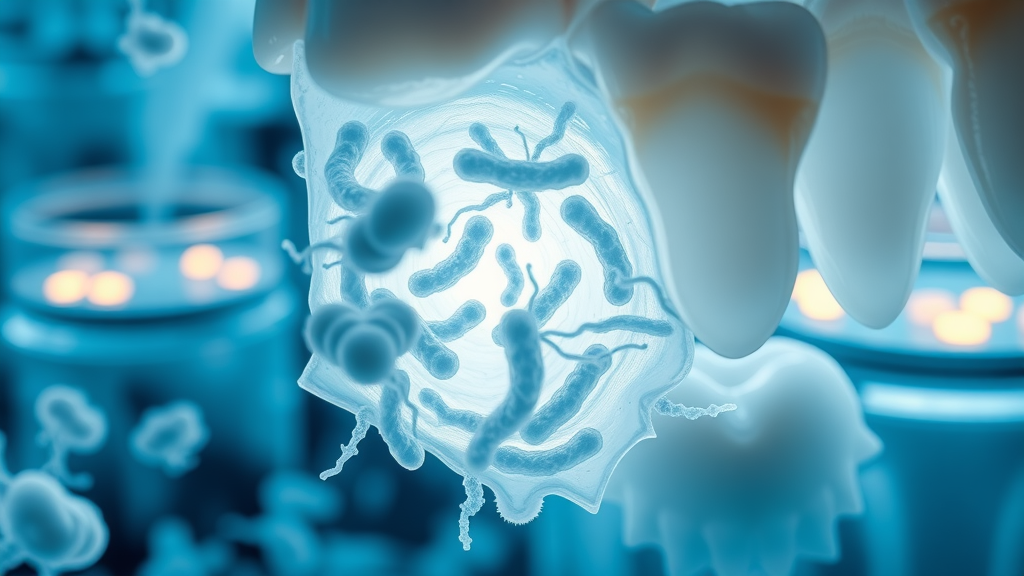
Bacteria and Acid Attack – The root of dental caries under the microscope
“Tooth decay is a universal disease, but it’s almost entirely preventable.” – Dr. Emily Saunders, DDS
Diet and Lifestyle Habits: The Hidden Contributors to What Causes Teeth to Decay
- High sugar and acidic foods in the diet
- Frequent snacking and beverage choices
- Smoking, alcohol, and their effects on oral health
The modern diet—often high in added sugars and acidic beverages—is a significant driver of tooth decay. Each time you consume foods and drinks rich in sugar or acid, you provide a feast for bacteria in your mouth, fueling the production of acids that attack your enamel. Even ostensibly healthy items, like fruit juices or flavored water, can accelerate the decay process with repeated exposure. It’s not just what you eat, but how often you eat; frequent snacking or sipping on sweetened beverages throughout the day keeps your tooth surface bathed in acids, hindering the natural repair process and leading to cumulative enamel breakdown.
Beyond diet, lifestyle elements like smoking and alcohol use add another layer of risk by reducing saliva flow and weakening your mouth’s natural defenses. These habits also encourage bacterial buildup and compromise gum health, making it harder to maintain the oral hygiene necessary to prevent cavities. The cumulative effect of poor dietary and lifestyle choices often transforms an occasional indulgence into a chronic oral health concern, reinforcing the need for balance, moderation, and healthy routines.
Dietary Dangers – How high sugar and acidity lead to tooth decay
Dry Mouth and Reduced Saliva: A Key Player in Tooth Decay
Dry mouth, or xerostomia, is more than just a discomfort—it creates an ideal environment for tooth decay. Saliva plays a vital role in maintaining oral health; it dilutes acids, carries minerals (such as calcium and phosphate) needed for enamel repair, and physically washes away food particles and bacteria. When saliva flow is reduced—due to medications, certain diseases, age, or even dehydration—the teeth lose this protective layer, leaving them more vulnerable to bacterial attack and acid erosion.
People with chronic dry mouth are at much higher risk for cavities, with typical trouble spots appearing around the gumline or between teeth. To minimize this, it’s essential to address the root causes—whether that means reviewing your medications with your doctor, treating underlying health conditions, or simply drinking more water. Other practical steps include using saliva substitutes, chewing sugar-free gum to stimulate saliva flow, and practicing meticulous oral hygiene to compensate for your mouth’s compromised natural defenses against decay.
Poor Oral Hygiene Habits: How Daily Routines Influence What Causes Teeth to Decay
- Infrequent or improper brushing and flossing
- Not replacing toothbrushes regularly
- The impact of inconsistent dental checkups
Proper oral hygiene is the single most important line of defense against tooth decay. When brushing or flossing is skipped or performed incorrectly, bacteria-laden plaque accumulates on tooth surfaces, especially in hard-to-reach areas. Over time, this persistent buildup provides both a food source and a safe haven for harmful bacteria, accelerating acid production and enamel erosion. Even the best brushing can’t undo the effects of a worn-out toothbrush or infrequent flossing—regularly replacing brushes and using tools suited to your needs directly impacts your ability to keep plaque and decay at bay.
Routine professional checkups are also vital; your dentist can spot early signs of decay (such as white spots) long before pain or visible holes appear, allowing for preventive care rather than more aggressive treatments like fillings or root canals. Put simply, strong, consistent hygiene habits—at home and in the dental chair—form the backbone of preventing tooth decay.
Daily Dental Care – Building habits to protect against tooth decay
Oral Health and Systemic Health: How General Wellbeing Affects What Causes Teeth to Decay
Your mouth does not exist in isolation. There are strong links between chronic health conditions (like diabetes or immune disorders) and an increased risk for tooth decay. For example, people with diabetes are more likely to develop gum disease and experience dry mouth, both of which compromise oral health. Similarly, those with immunosuppression—whether due to medical treatment or illness—are less resilient to harmful bacteria and inflammation that kick-start the decay process. Caring for your overall health, managing chronic illnesses, and maintaining a well-rounded diet are as essential to keeping cavities away as any toothpaste or floss.
To prevent tooth decay, it’s important to view oral hygiene as just one part of a total wellness routine. Collaboration with both your dentist and primary care physician will ensure that oral symptoms aren’t overlooked and that preventative steps are tailored to your unique situation.
Early Childhood and Tooth Decay: What Causes Teeth to Decay in Children?
Early childhood is an especially high-risk time for dental caries. Children’s teeth are more sensitive to acid attack, and their habits (with help and supervision from parents) shape their oral health for life. Frequent exposure to sugary drinks, like juice or sweetened milk in bottles and sippy cups, promotes constant acid attack even before their adult teeth come in. Additionally, underdeveloped motor skills can make it difficult for children to clean their teeth effectively—meaning that even minor lapses in hygiene can quickly lead to early childhood caries. There is also evidence that the bacteria that cause tooth decay can be transmitted from caregiver to child, underscoring the importance of parental education and family-wide dental care habits.
- Frequent bottle feeding or sippy cups with sugary drinks
- Inadequate cleaning of baby teeth
- Transmission of cavity-causing bacteria from caregiver to child
Teaching Good Habits – Parental influence in preventing early childhood caries
Dental Caries: Warning Signs and Early Symptoms
- White spots or streaks on enamel
- Sensitivity to sweets, hot, or cold
- Discoloration or visible pits
The early signs of tooth decay are often subtle, such as the appearance of white spots (demineralization) or faint streaks on your teeth. These white areas indicate that minerals are being drawn from the enamel, signaling that acid-producing bacteria have gained a foothold. As decay progresses, you may notice increased sensitivity—especially to sweets or temperature changes—which suggests that damage is moving toward the dentin. Visible discoloration, small pits, or even holes are clear indicators of more advanced stages that require intervention. Catching cavities in their earliest form vastly improves your chances for reversal and retention of healthy tooth structure.
It’s essential not to overlook these warning signs—timely intervention can prevent expensive and invasive treatments like root canal or tooth extraction. If you’re unsure whether subtle changes you see in your teeth indicate a problem, consult your dentist sooner rather than later.
Prevent Tooth Decay: Evidence-Based Strategies for Protecting Teeth
- Proper and consistent oral hygiene practices
- Professional fluoride treatments and dental sealants
- Balanced, tooth-friendly diet choices
Preventing tooth decay requires a multifaceted approach. The foundation is twice-daily brushing with fluoride toothpaste and once-daily flossing, targeting all surfaces where bacteria can hide. Fluoride not only strengthens tooth enamel but also helps repair early damage, making it a non-negotiable element of daily dental care. Regular checkups are critical for personalized advice, professional cleaning, and the application of protective measures such as sealants—especially for children or adults at high risk for cavities.
Just as important is a mindful approach to your diet. Reducing intake of foods and drinks high in sugar or acidity, opting for nutrient-dense snacks, and drinking water throughout the day help create an environment in your mouth that resists decay. When you combine consistent oral hygiene, professional support, and dietary wisdom, you dramatically decrease your likelihood of developing dental caries and the need for costly dental work in the future.
How to Improve Oral Hygiene and Oral Health to Prevent What Causes Teeth to Decay
- Brushing twice daily with fluoride toothpaste
- Daily flossing and mouthwash use
- Scheduling regular dental exams and cleanings
Improving your day-to-day cleaning routine can make a world of difference in protecting against tooth decay. Brush all surfaces with a soft-bristled toothbrush for two full minutes, making sure to reach the gumline and back teeth. Use fluoride toothpaste to strengthen enamel, and consider a fluoride mouth rinse for extra protection if your dentist recommends it. Floss at least once daily to remove debris and bacteria from between teeth—areas where your brush can’t reach.
Maintaining your oral health also means seeing your dentist at least every six months, or as advised, so that early-stage problems are caught before they become severe. Professional cleanings remove stubborn tartar and allow your dental team to customize preventive care (such as sealants or prescription fluoride treatment) to your risk level. These habits, sustained over time, have been proven to prevent tooth decay in both adults and children.
Professional Guidance – Ensuring effective oral hygiene prevents dental caries
People Also Ask: Addressing Common Questions About What Causes Teeth to Decay
What is the main cause of tooth decay?
The main cause of tooth decay is the accumulation of bacterial plaque on tooth surfaces. When bacteria in your mouth encounter sugars and carbohydrates from food, they produce acids that gradually erode tooth enamel and dentin. Over time, this leads to cavities—making it essential to control both bacterial activity and sugar exposure for optimal oral health.
How do I get my teeth to stop decaying?
You can prevent tooth decay by adopting excellent oral hygiene habits—this means brushing regularly with fluoride toothpaste, flossing daily, and limiting intake of foods and drinks high in sugar. Visit your dentist for professional checkups and early intervention for the first signs of cavities, which helps halt decay before it progresses.
Why are my teeth suddenly decaying?
Sudden increases in tooth decay can result from changes in diet (especially more sugary snacks), new medications that cause dry mouth, hormonal shifts, or lapses in oral hygiene habits. To find the underlying cause and get tailored advice, it’s best to schedule a regular dental appointment for a comprehensive evaluation.
Are cavities due to poor hygiene?
Yes, poor oral hygiene is a major cause of cavities. When your teeth are not cleaned thoroughly and regularly, bacteria can grow unchecked on tooth surfaces, create acids, and begin the decay process that results in white spots, cavities, and ultimately tooth loss if not treated.
FAQs on What Causes Teeth to Decay
- How often should I visit the dentist to prevent tooth decay?
Most experts recommend visiting your dentist every six months for routine exams and professional cleanings to catch early signs of decay and take preventive measures. - What are natural ways to help saliva production and reduce dry mouth?
Chewing sugar-free gum, staying hydrated, and using alcohol-free mouth rinses can naturally boost saliva production. Limiting caffeine and tobacco also helps. - Do genetics play a role in what causes teeth to decay?
Genetics can influence enamel strength, saliva flow, and susceptibility to certain bacteria, but daily habits and hygiene still play the largest role in prevention. - Are all cavities visible or painful immediately?
No, many cavities form under the enamel and can remain painless and invisible for months or years. Regular dental checkups are crucial to detecting hidden decay early.
Key Takeaways: What Causes Teeth to Decay?
- Tooth decay is a multi-factorial disease driven by bacteria, diet, and oral hygiene.
- Prevent tooth decay with a combination of daily care and professional support.
- Awareness of risk factors and early intervention are crucial.
Conclusion: Empowering Your Oral Health Against What Causes Teeth to Decay
Understanding what causes tooth decay is the first step toward lifelong oral health. Adopting evidence-based prevention strategies today will help protect your smile for years to come.
If you’re ready to take your oral health to the next level, consider how restorative options can help when decay has already caused significant damage. Learning about advanced solutions, such as dental bonding to repair cavities and chips, can empower you to restore both function and aesthetics to your smile. By staying informed about both prevention and modern treatment options, you’ll be better equipped to make confident decisions for your dental well-being. Explore more about how innovative dental care can transform your oral health journey and keep your smile strong for years to come.
Tooth decay, or dental caries, is a prevalent condition affecting individuals of all ages. Understanding its causes is essential for effective prevention.
Primary Causes of Tooth Decay:
- Bacterial Activity and Plaque Formation: The mouth harbors bacteria that form a sticky film called plaque on teeth. When these bacteria metabolize sugars and starches from food, they produce acids that erode tooth enamel, leading to cavities. (nidcr.nih.gov)
- Dietary Habits: Frequent consumption of sugary and starchy foods provides fuel for bacteria, increasing acid production. This continuous acid attack weakens enamel and accelerates decay. (cdc.gov)
- Poor Oral Hygiene: Inadequate brushing and flossing allow plaque to accumulate, enhancing bacterial growth and acid production. Regular oral care is crucial for removing plaque and preventing decay. (hopkinsmedicine.org)
- Dry Mouth (Xerostomia): Saliva neutralizes acids and helps remineralize teeth. Reduced saliva flow, due to certain medications or medical conditions, diminishes this protective effect, increasing the risk of decay. (my.clevelandclinic.org)
- Acidic Foods and Beverages: Consuming acidic foods and beverages, such as citrus fruits, sodas, and sports drinks, can directly erode enamel, making teeth more susceptible to decay. (nhsinform.scot)
- Genetic Factors: Individual susceptibility to tooth decay can vary due to genetic factors affecting enamel strength and saliva composition.
Preventive Measures:
- Maintain Good Oral Hygiene: Brush twice daily with fluoride toothpaste and floss regularly to remove plaque. (mayoclinic.org)
- Adopt a Balanced Diet: Limit intake of sugary and acidic foods and beverages. (cdc.gov)
- Regular Dental Check-ups: Visit your dentist routinely for professional cleanings and early detection of potential issues. (nidcr.nih.gov)
- Address Dry Mouth: Stay hydrated and consult healthcare providers for guidance on managing dry mouth symptoms. (my.clevelandclinic.org)
By understanding and addressing these factors, individuals can significantly reduce their risk of tooth decay and maintain optimal oral health.
Other locations served:
- New Albany OH
- Sunbury OH
- Granville OH